Growing UX maturity
GOALS, CHALLENGES & OBJECTIVES
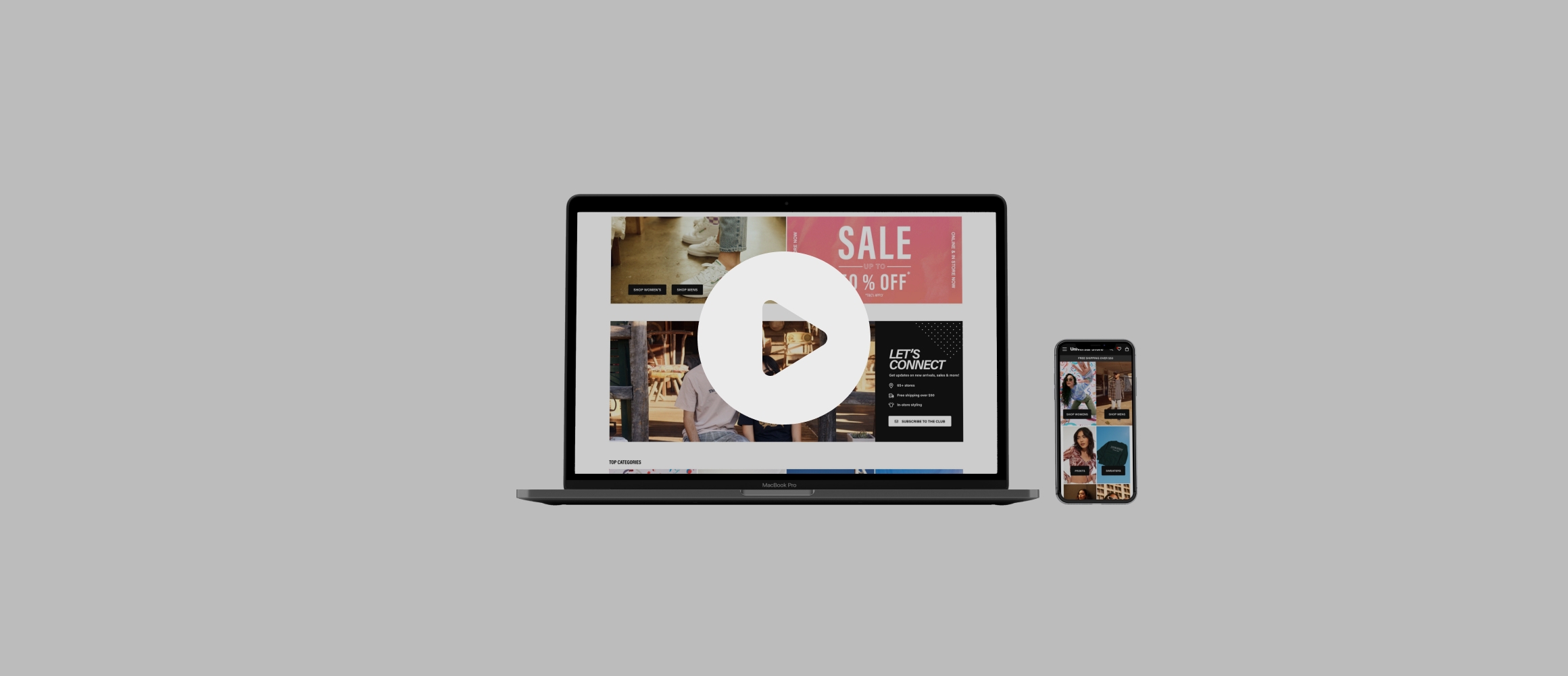
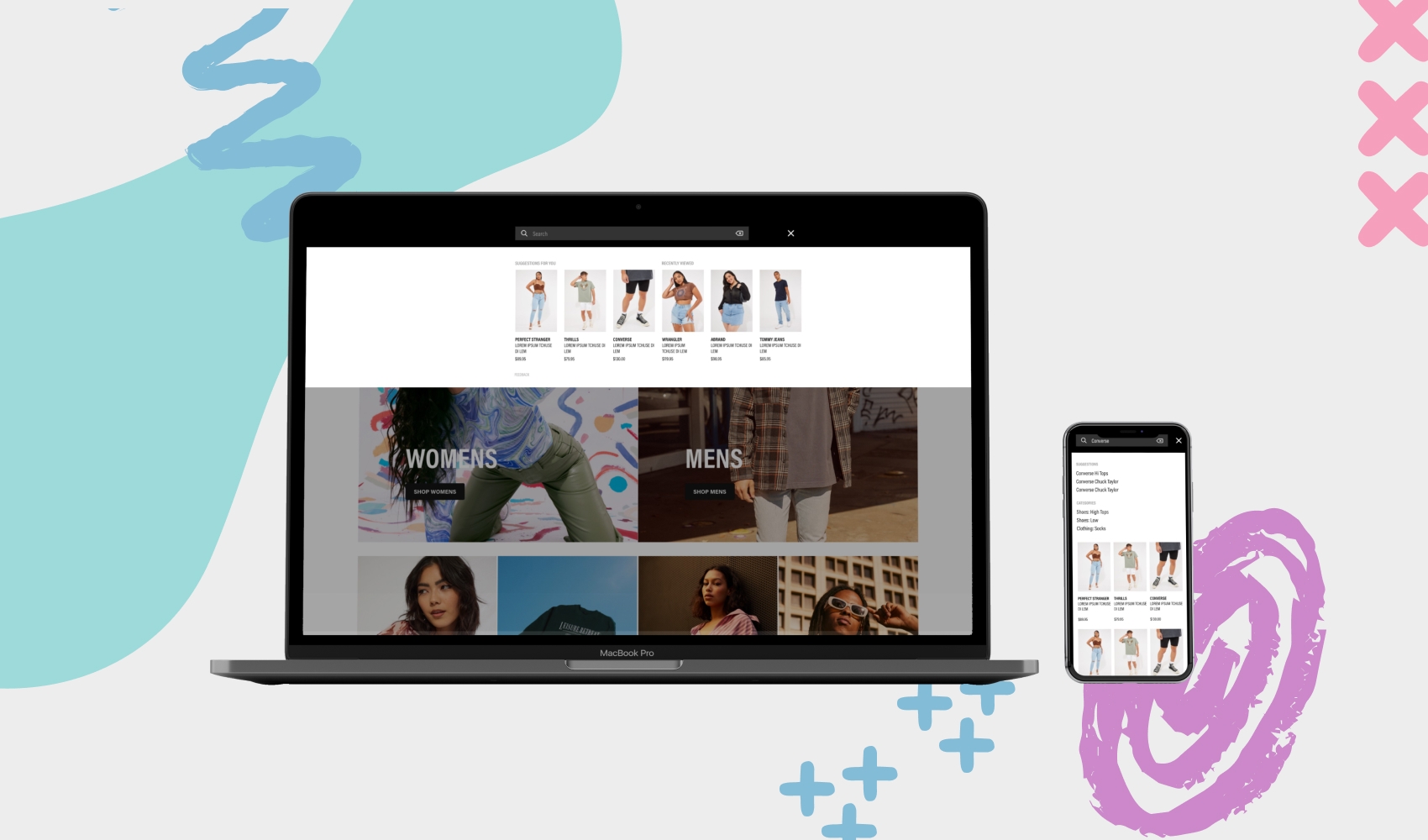
Originally, Universal Store had focused on their network of 75 physical stores across Australia, but soon saw a huge potential for growth in online sales. However, their existing online presence was outdated, hard to use and not representative of their high-quality products and brand.
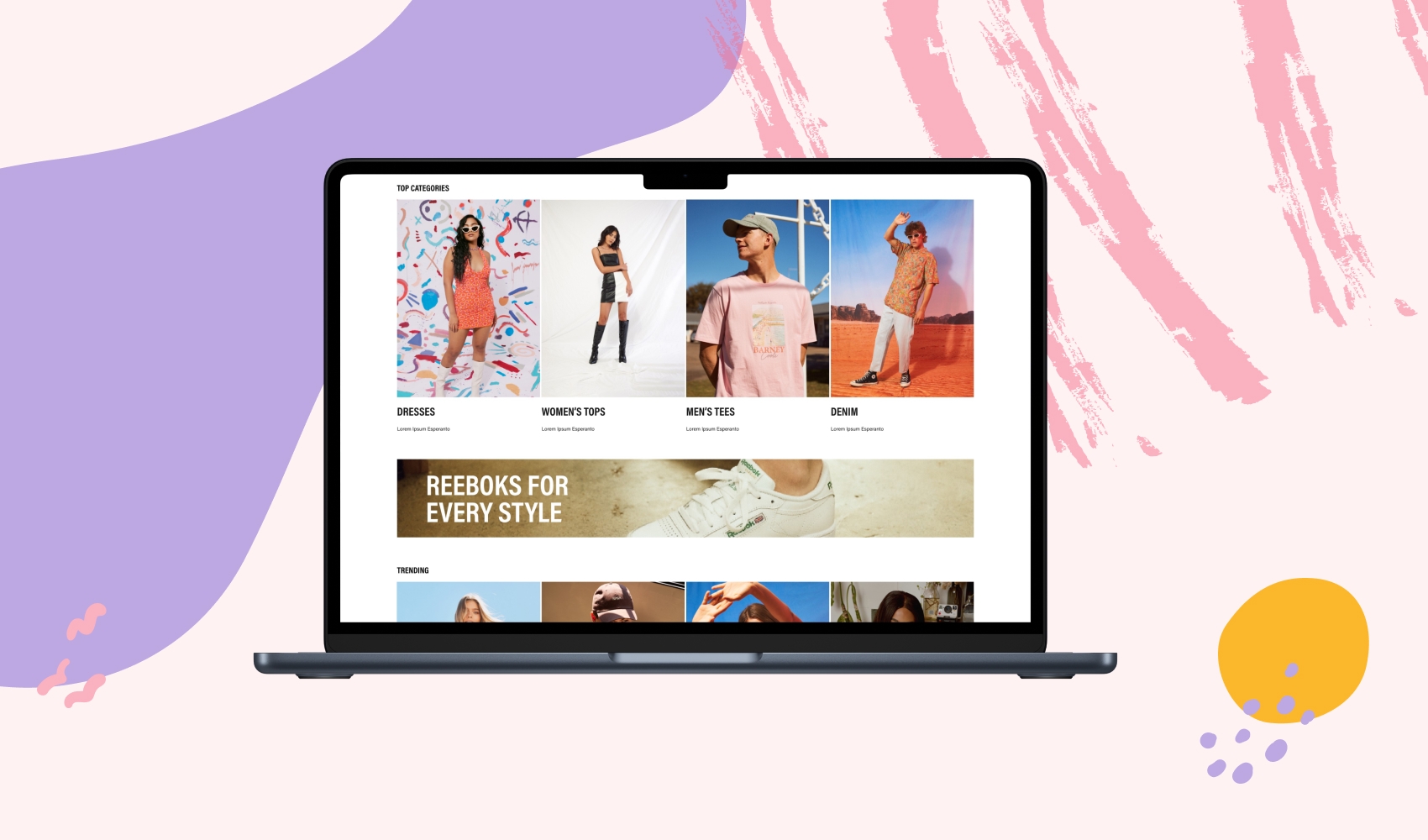
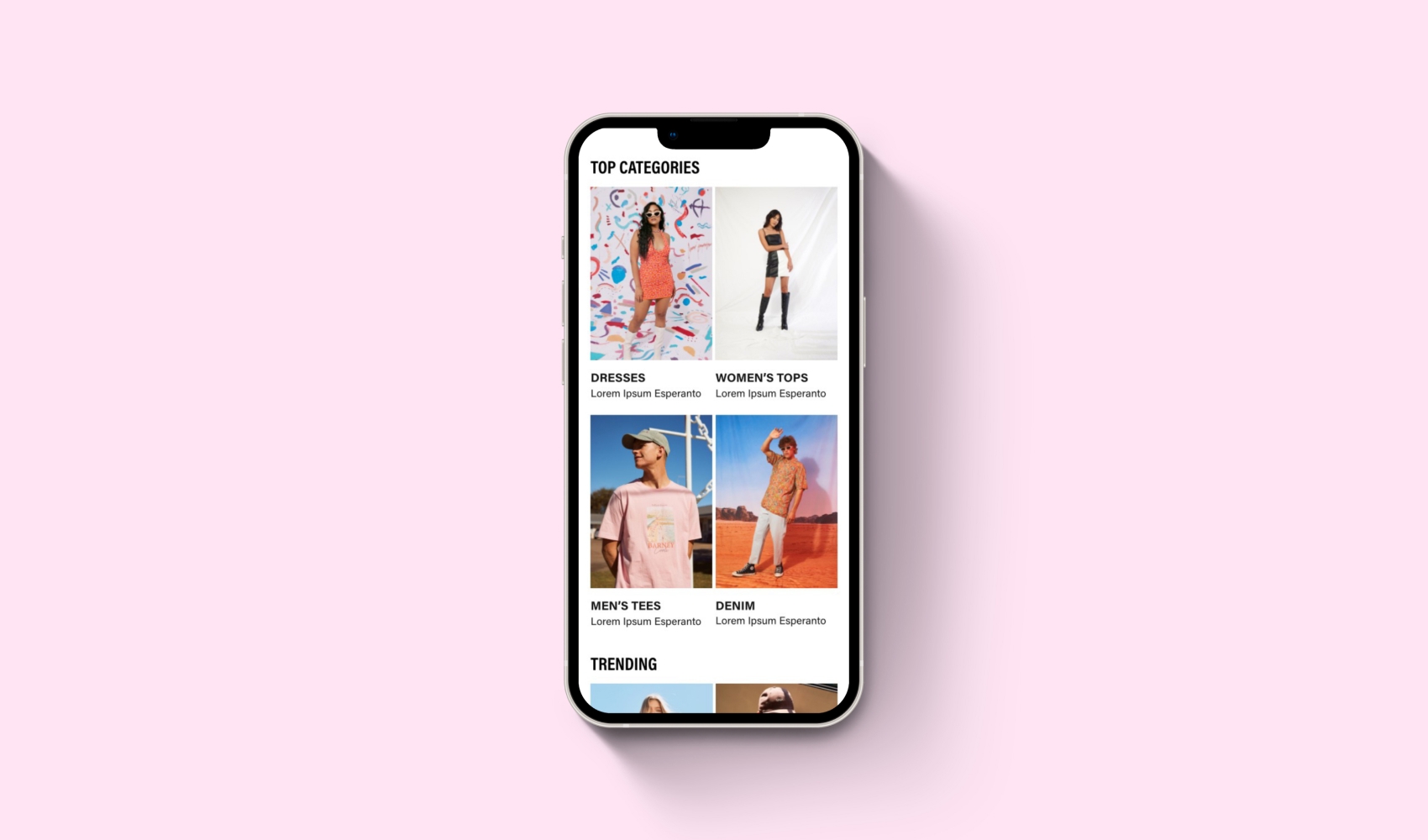
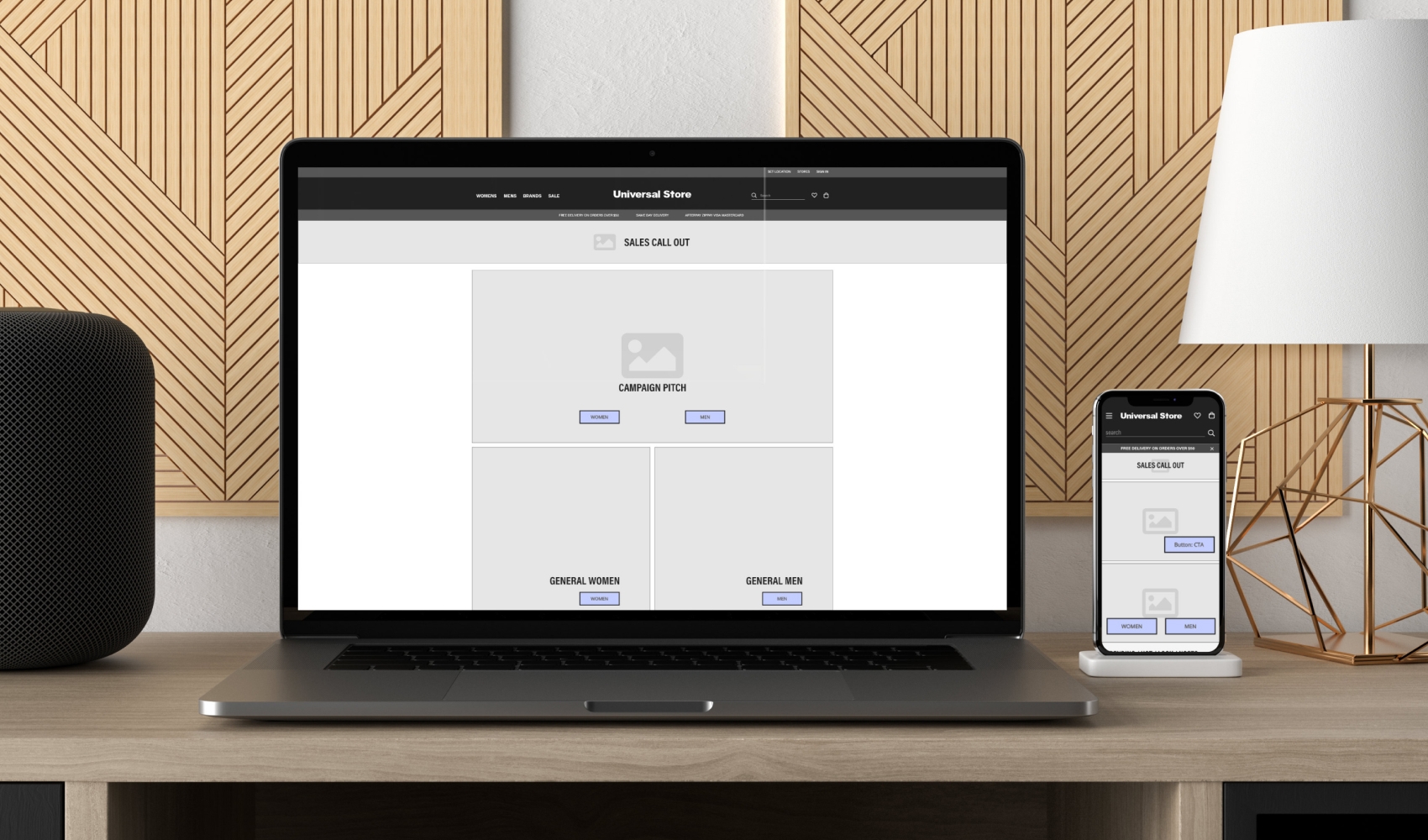
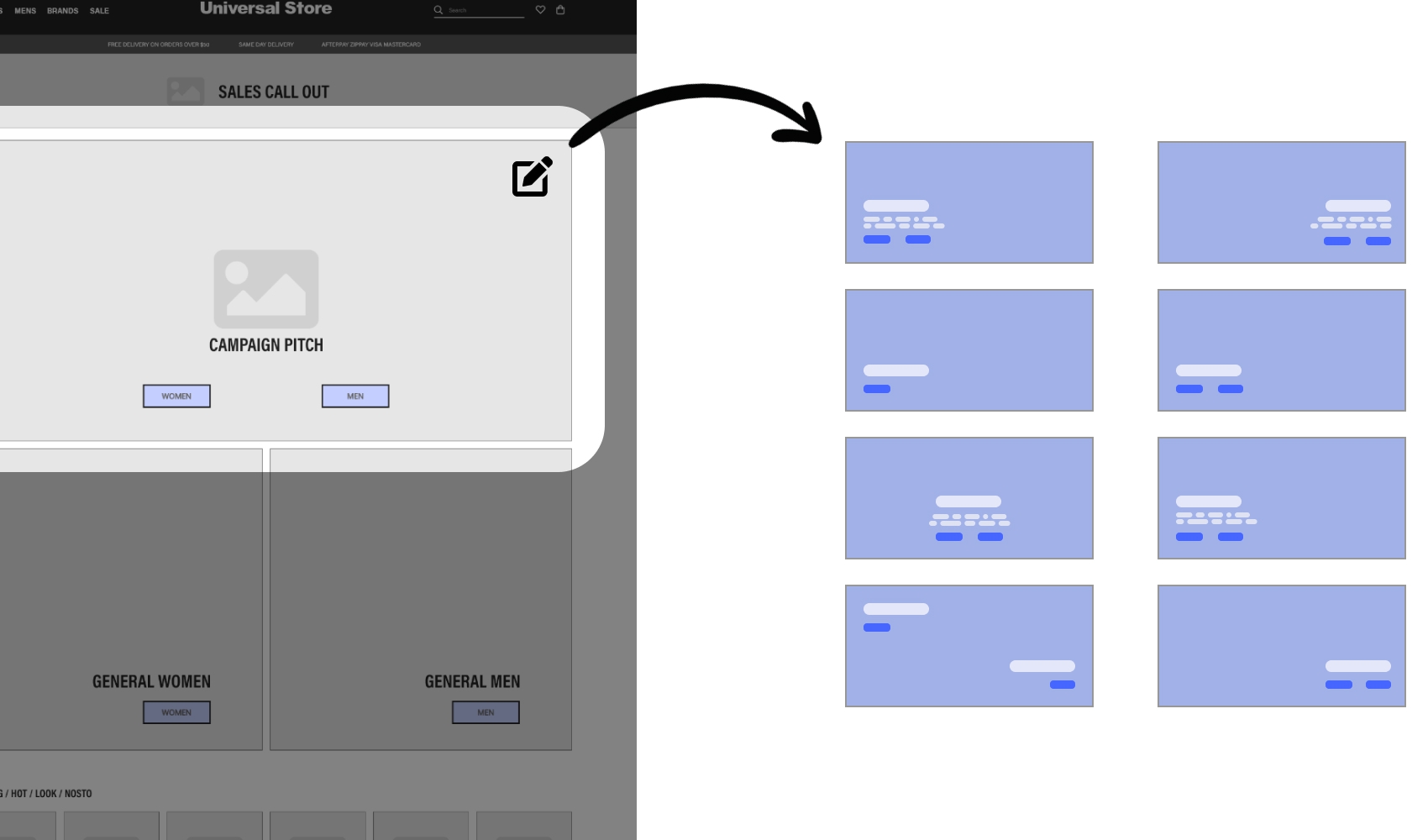
With fast-changing design and fashion trends as well as a target audience that gets bored easily, we needed to create a product that was adaptable quickly while continuously offering a good user experience. Thus, the main goal on this project was setting up a modular structure to allow for iterative design.
DISCOVERY
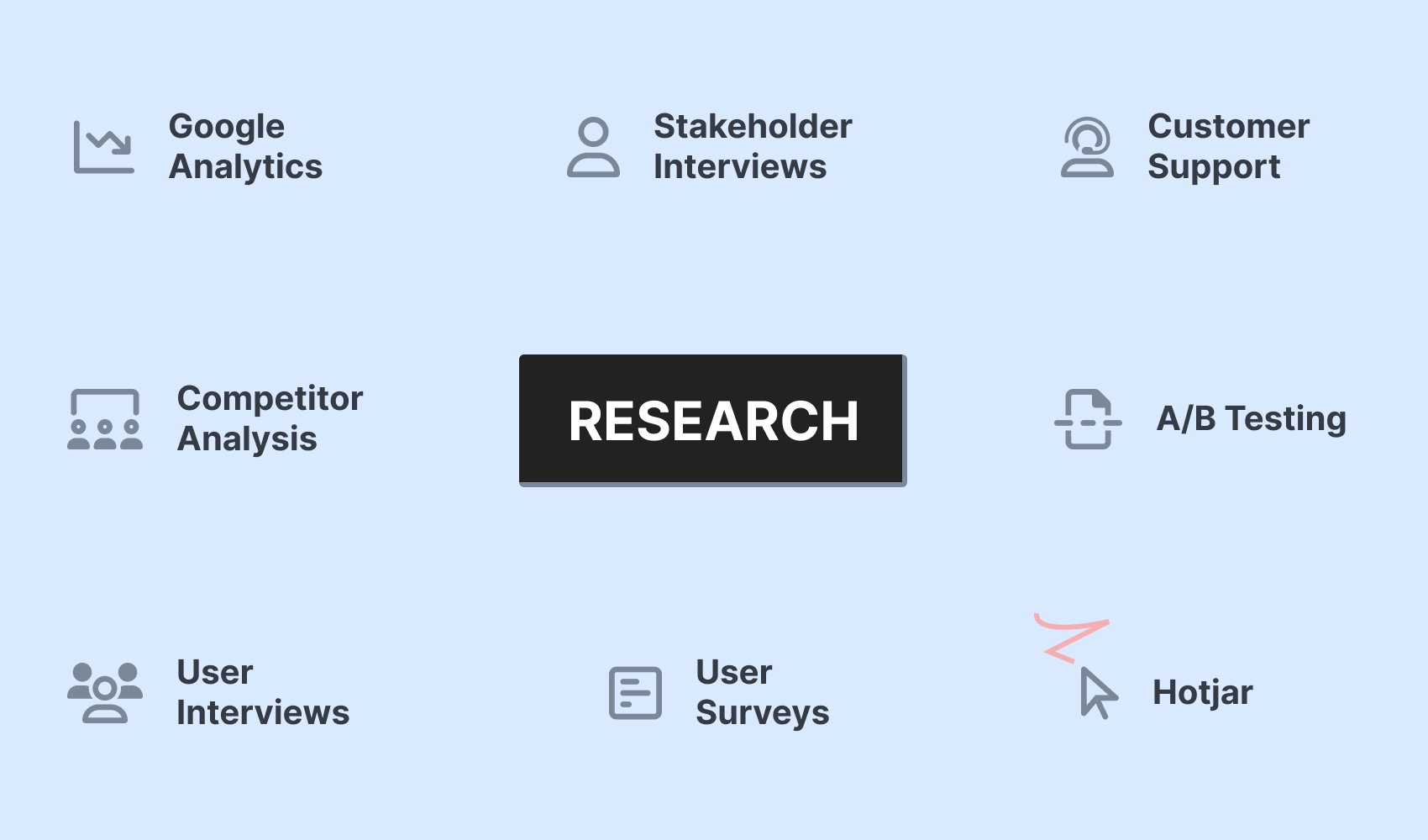
Competitor Analysis: To get an overview of best practices and standards in the industry, we conducted a competitor analysis.
Data: We consolidated and analysed existing data aboutuser behaviour collected by HotJar, marketing performance (eg conversion and bounce rates) collected from GoogleAnalytics, as well as customer experience reported by the customer service team to inform our design choices.
User Research: To identify specific pain points, expectations and desirable functionality that were not answered by the exiting data, we conducted surveys with 100 staff (response rate: ca. 60%) and set up three rounds of five interviews with customers (15 in total).
Usability Testing: We conducted A/B testing using GoogleOptimize to test the performance of UI components and to confirm the conversion rate uplift. We set up a further three rounds of five user interviews (15 in total) to confirm the expected improvements in user experience.
PROBLEMS SOLVED
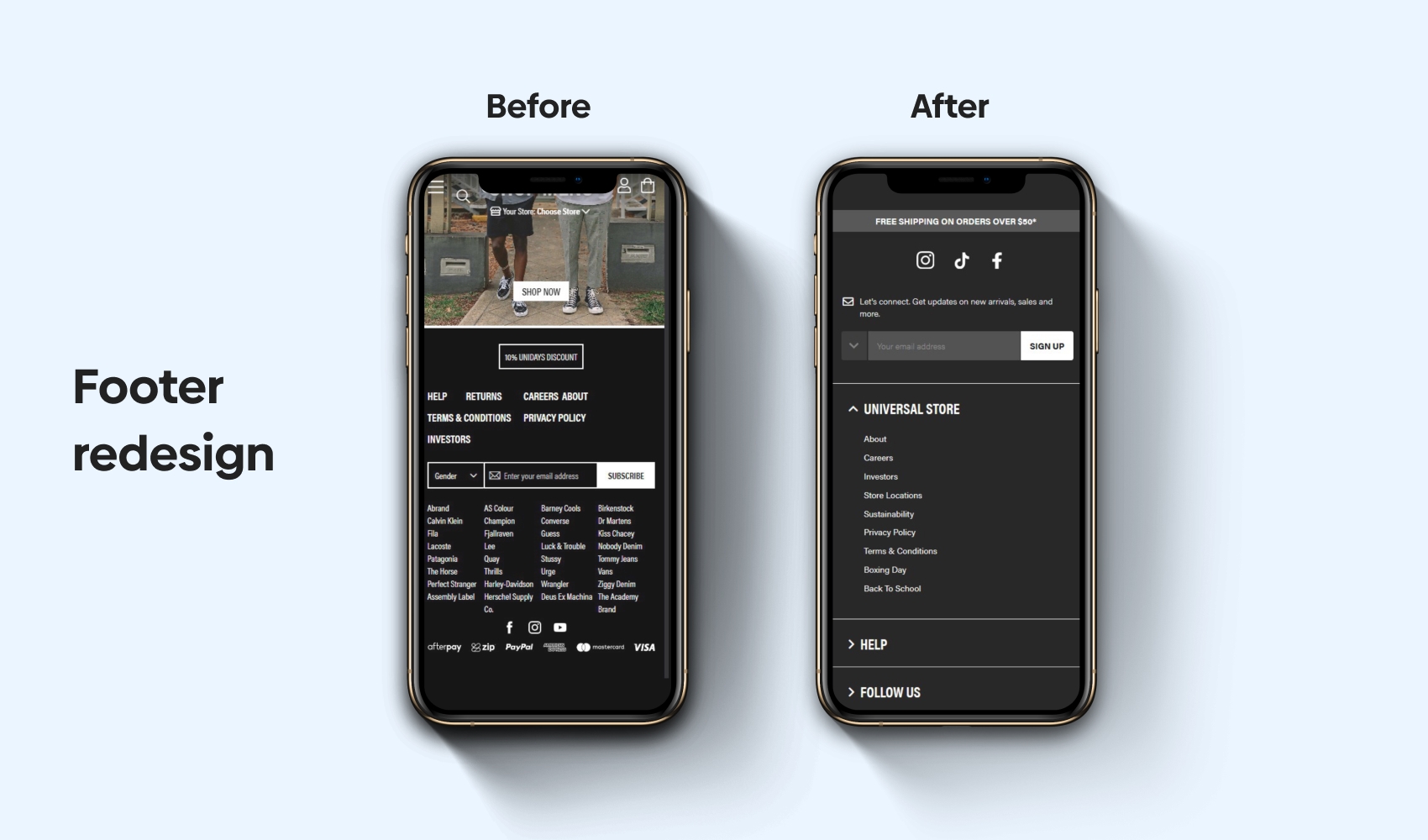
As the current online store had several issues costing the business, management wanted a staggered redesign and deployment that could immediately generate some quick wins over a big-bang deployment. However, the large scope of a full redesign required a number of far-reaching and fundamental changes not easily compatible with the existing designs. We balanced this by carefully identifying design priorities and development capacity, considerate design changes as well as rigorously planning release timelines and sprints.
While all stakeholders agreed on wanting to provide a great user experience, departments had competing ideas about what they wanted to achieve with the redesign. This included:
- Marketing wanted a quick turnaround on site updates for campaigns but had rigid requirements on some design components for advertising purposes.
- The art department needed the redesign to allow for a high degree of artistic freedom and customisation.
- The developers needed the redesign to improve time spent on manual updates requested by marketing and art teams.
- As the UX specialist, I needed to ensure accessibility, user centricity and good information architecture.
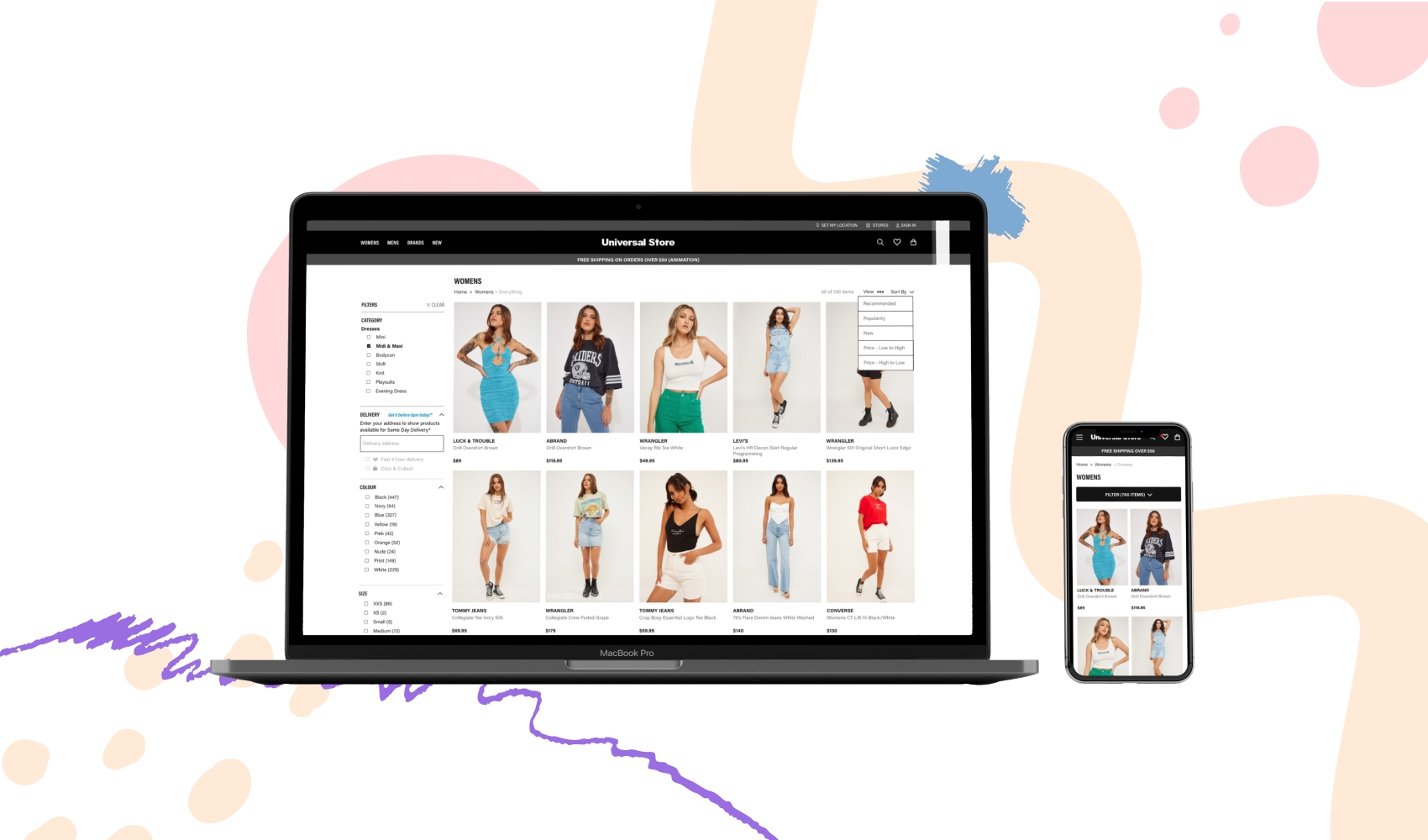
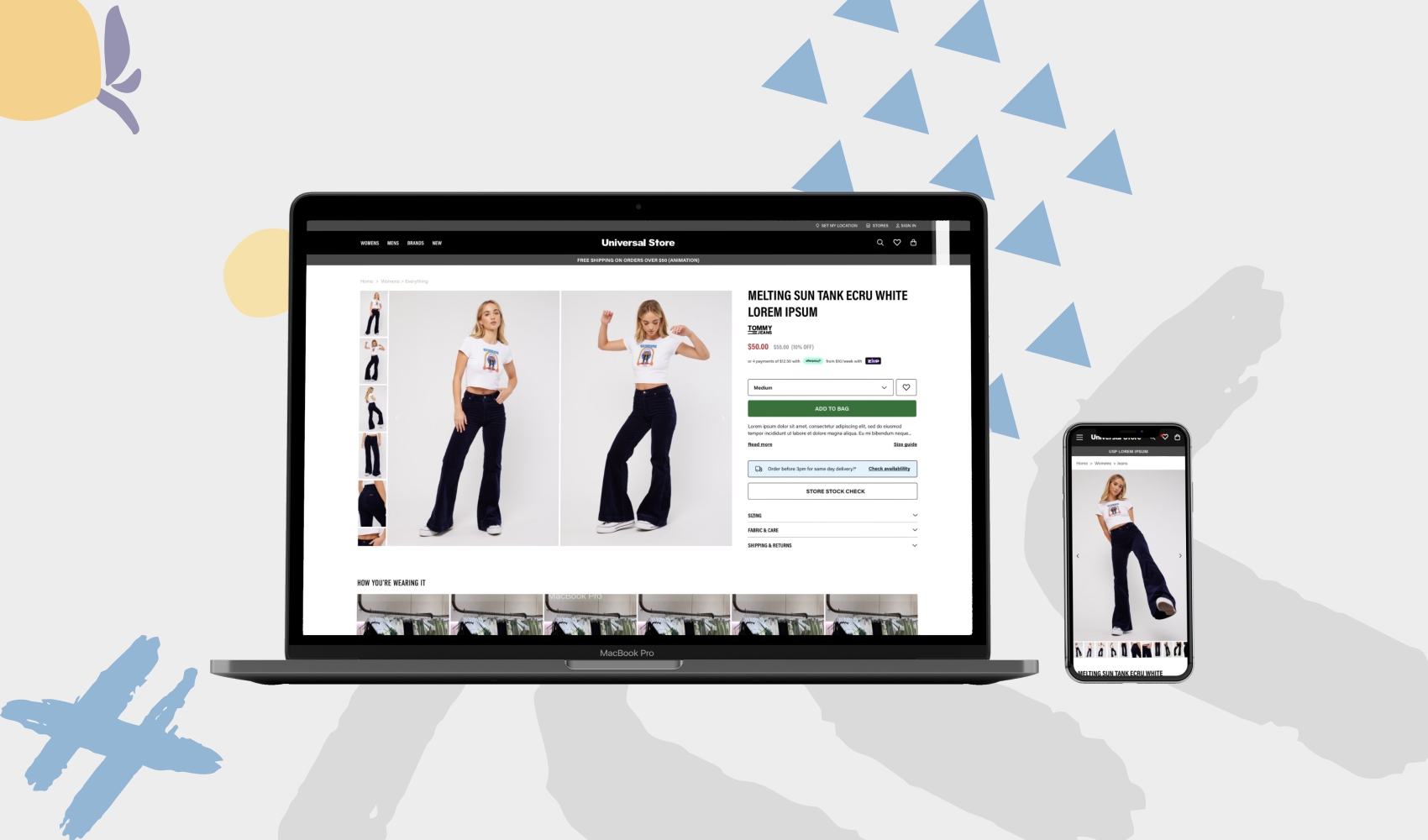
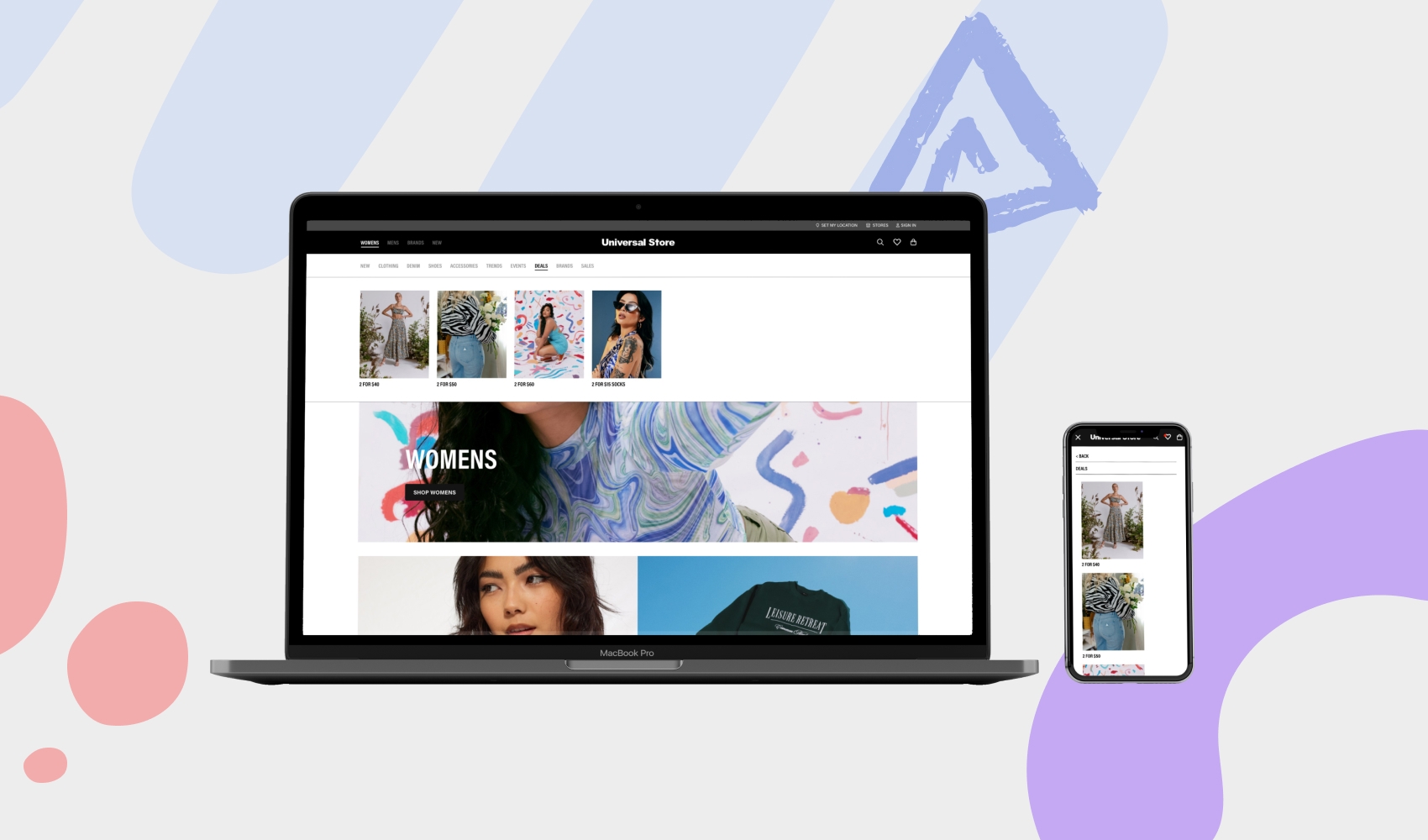
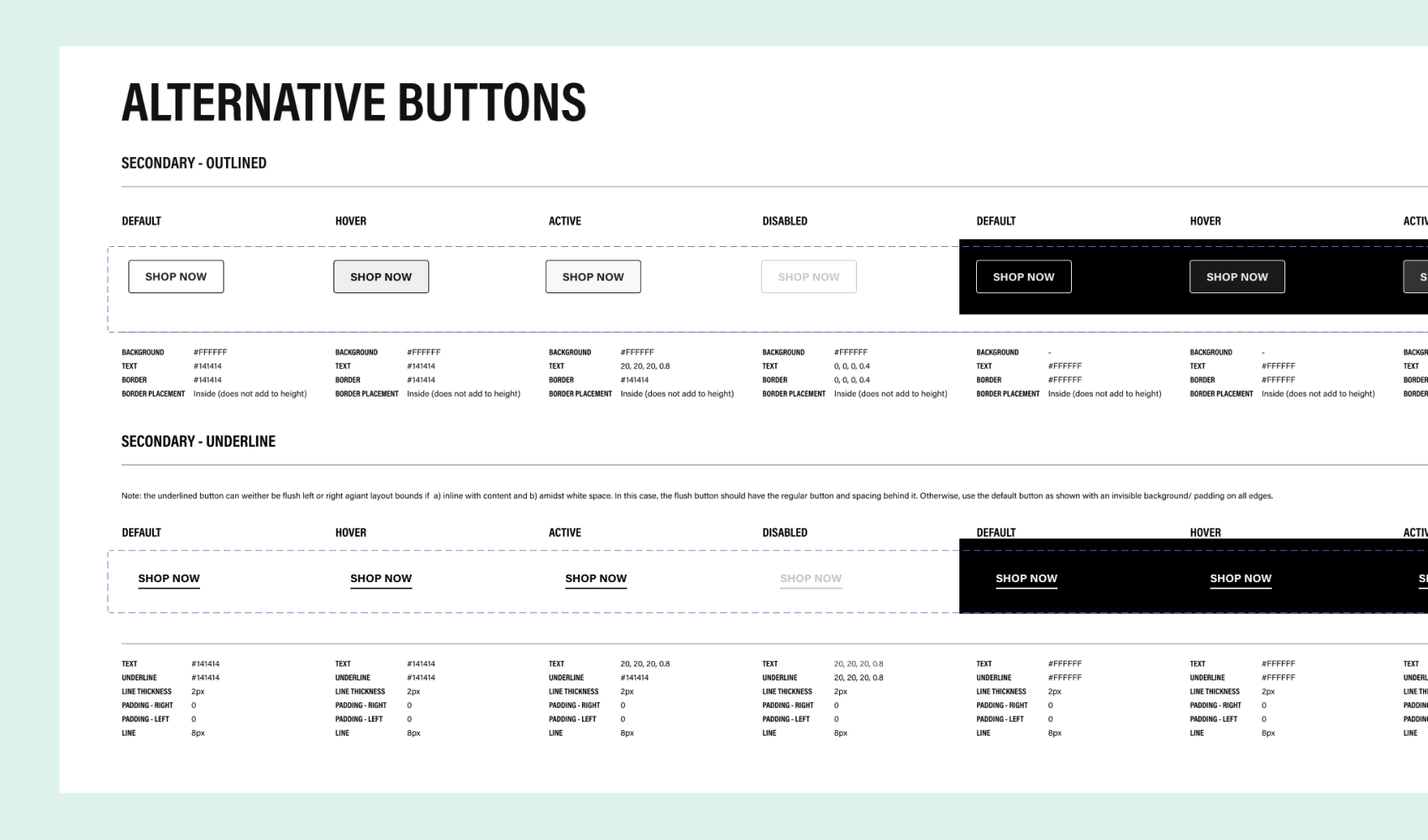
Tackling the problem of competing interests required a focus on positive communication, speaking and understanding the language of different teams and creative problem-solving. To make life easier for the developers, we created a WYSIWYG and employed a modular design. This way, simple site updates could be implemented by staff within the marketing and art teams without needing development resources. To balance good user experience and creative freedom, we created a design system that enforced UX best practices and standards, while being restrained in design.
In an environment with significant ambiguity, it was difficult to keep junior designers motivated and engaged while ensuring high-quality work output. I implemented regular design jams, collaborative workshops to encourage creativity and experimentation.
OUTCOMES AND ACHIEVEMENTS
- Site speed increased by 15 (mobile) and 18 (desktop) rating points in Google page speed insights after deployment.
- 4.7% increase in conversion in 2022 compared to pre-deployment.
- 28% increase in traffic in 2022 compared to pre-deployment.
- Increased UX maturity throughout the business.
- Improved cross-departmental communication throughout the business.
- Significant improvement in user satisfaction.
RESPONSIBILITIES
I worked on this project as the lead senior designer and UX specialist.
My main areas of responsibility:
- UX (research design and analysis, information architecture, UX advocacy and consultancy, quality assurance)
- Design (lo-fi and hi-fi, wireframes, prototyping, design system)
- Management (stakeholder management, sprint planning and prioritisation)
- Mentorship & Leadership (training, team lead, mentoring)