2,000 hubs & 10,000 charge-points worldwide
GOALS, CHALLENGES & OBJECTIVES
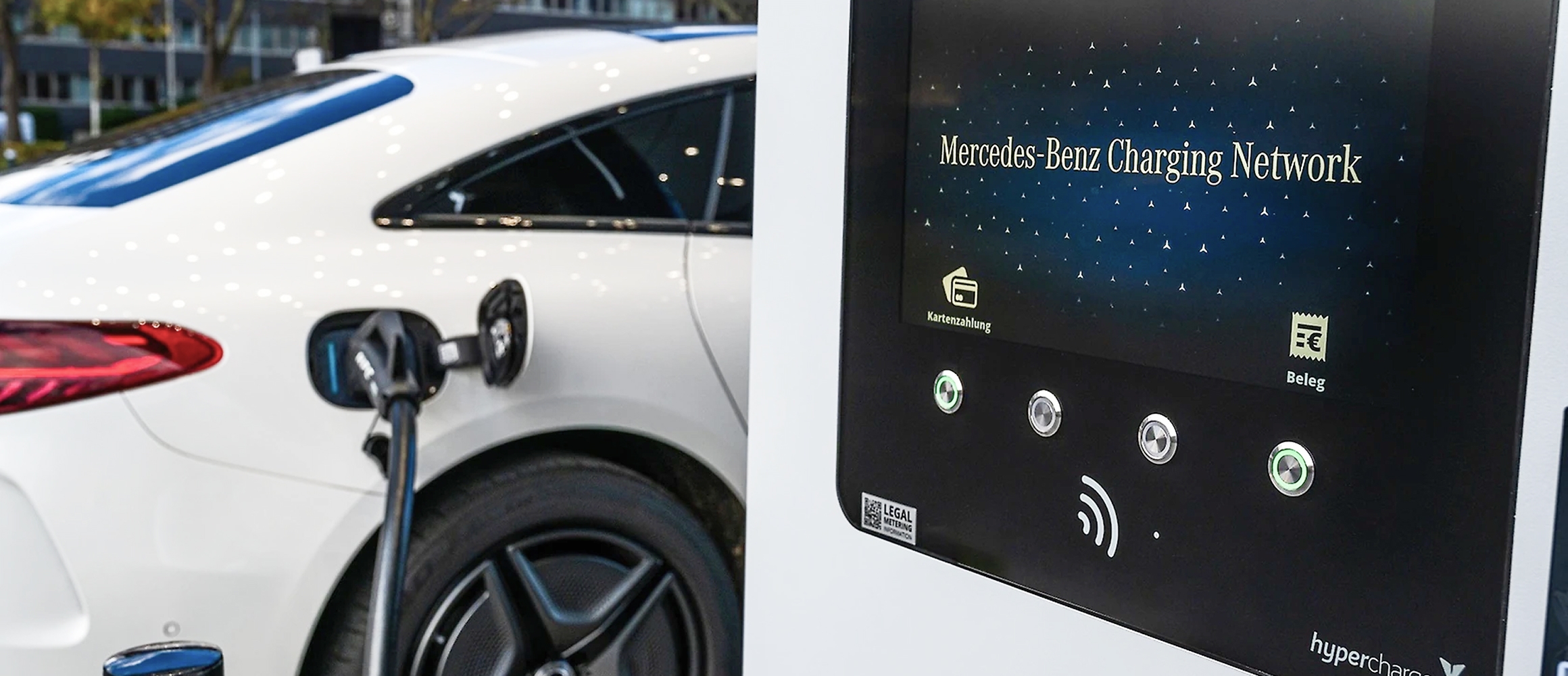
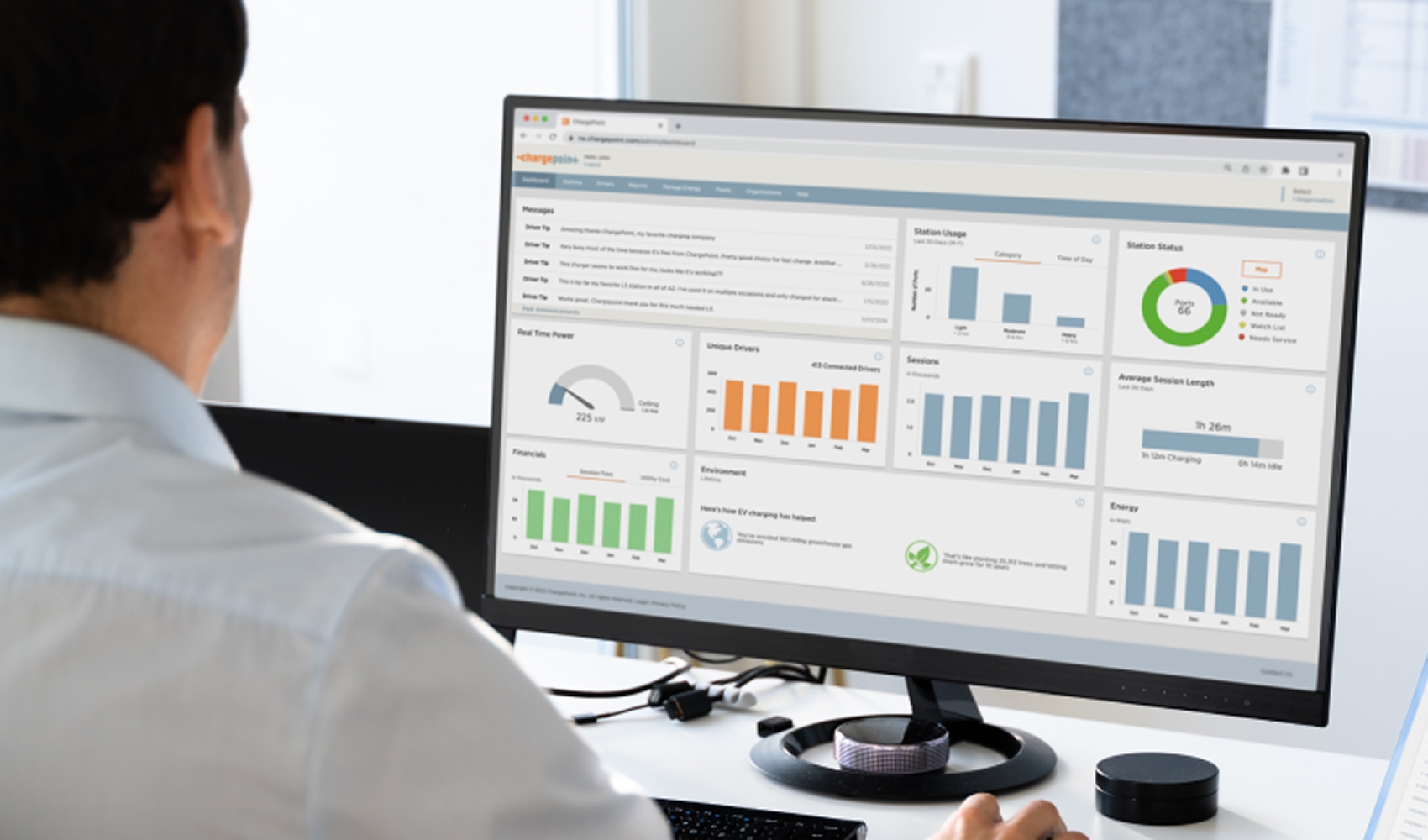
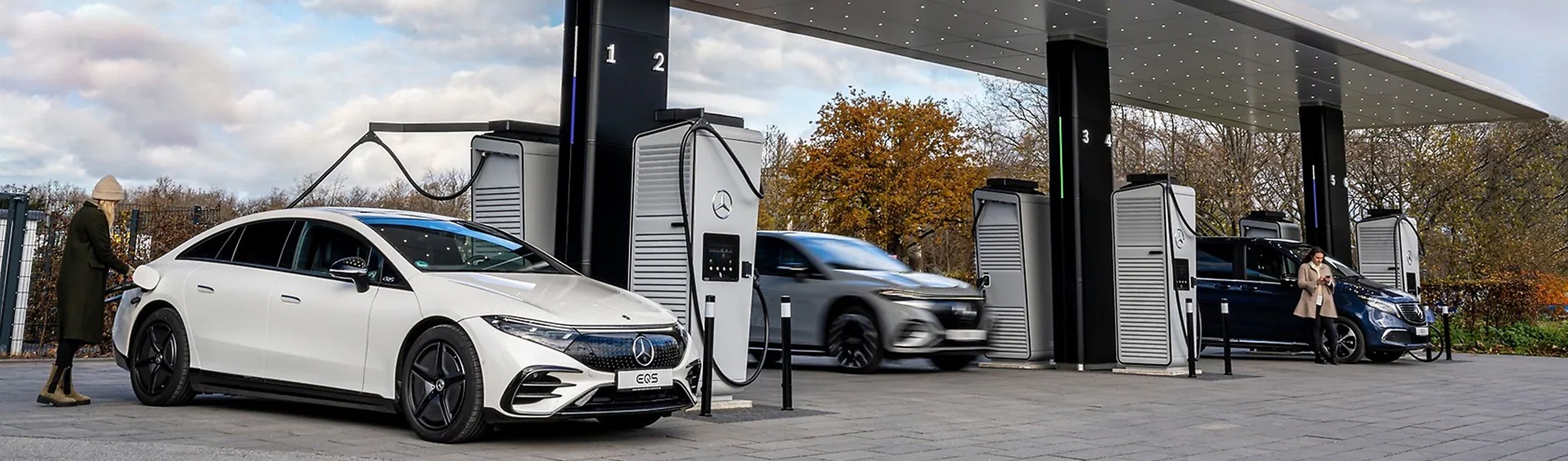
Mercedes already operates charging networks in Germany, the USA and China, with plans to reach 2,000 hubs and 10,000 points worldwide by 2030. To support this, we needed an operational platform to display real-time status, set consumer tariffs, manage stations and points, generate reports and more.
Objectives
- Design an intuitive, real-time status dashboard
- Enable robust station and charge-point management Support tariff configuration and reporting workflows
- Maintain system performance at scale
- Launch under a compressed, high-quality timeline
- Operate discreetly under an NDA-style constraint
Key Challenges
- Technical complexity: Advanced domain terminology and industry-leading standards
- Limited user base: Fewer than 10% of global operators accessible for interviews
- Steep timeline: High-quality expectations within tight delivery windows
- Design-development ratio: One designer versus multiple large engineering teams
- Restricted collaboration: Discovery had to be adapted for minimal stakeholder access and no third-party involvement until late stages
DISCOVERY
Defining v1.0
- Identified core user needs, operational goals and service expectations
- Conducted competitor analysis to uncover market benchmarks
With limited visibility into user behaviour and business operations, defining version 1.0 meant establishing a foundation based on available insights. I prioritised aligning on user needs, operational goals and market positioning to ensure the product vision addressed real-world use cases and could scale over time.
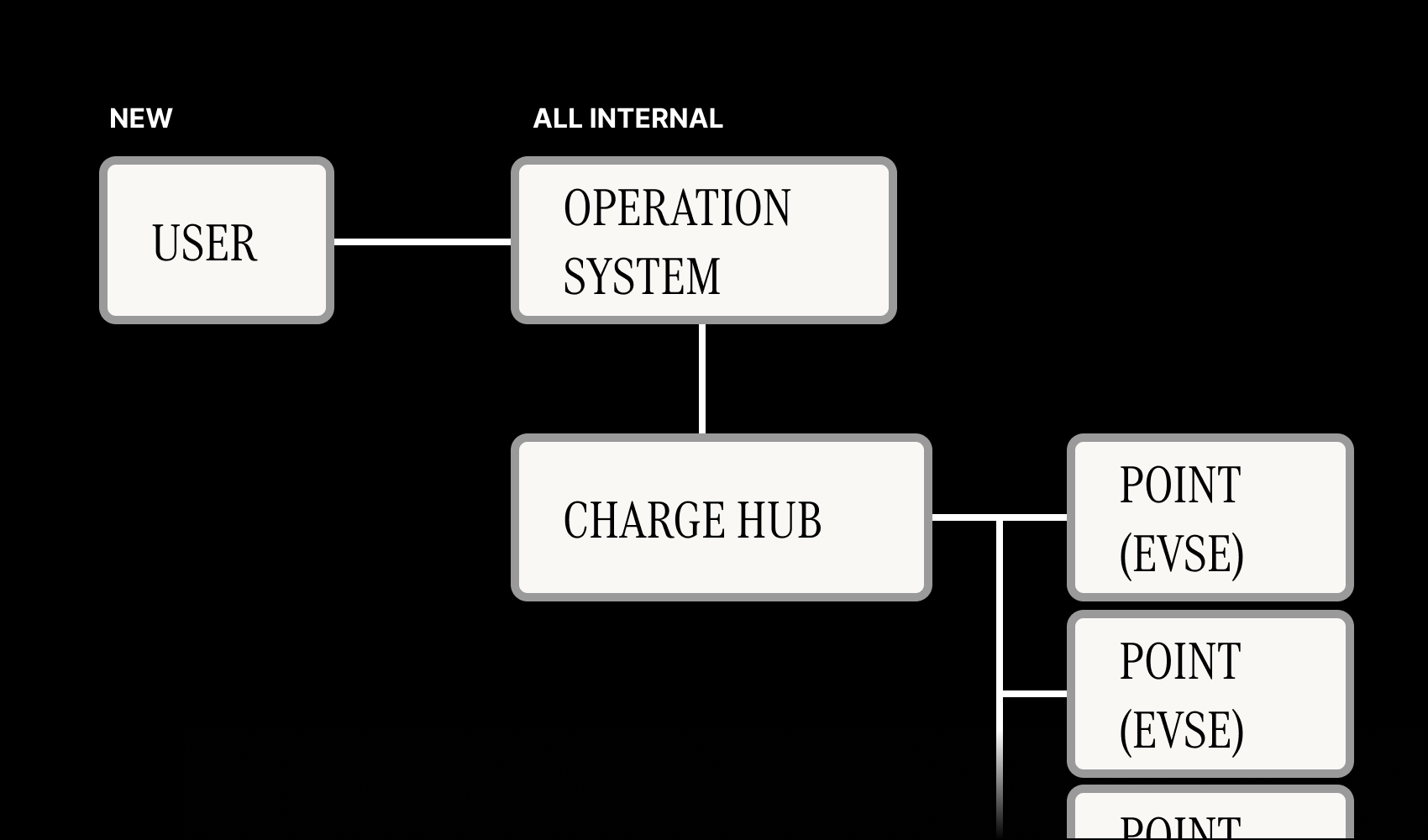
Current-State Mapping
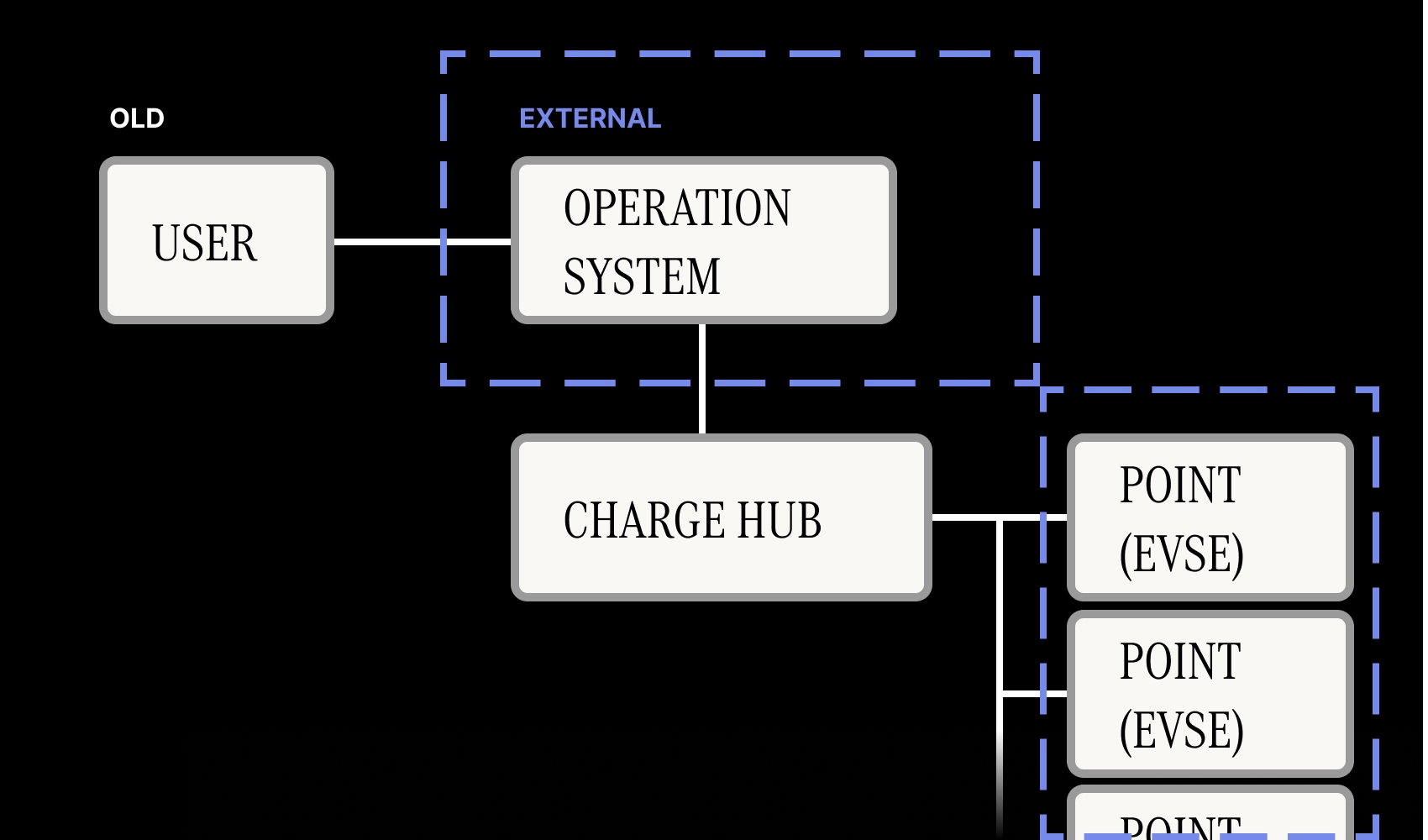
Mapping the current state was key to grounding the design process in reality. By combining stakeholder insights with early research, I created a visual representation of existing workflows. This helped pinpoint inefficiencies and build a shared understanding of the problem space.
- Co-created a system map with stakeholder interview findings
- Refined through user feedback sessions to validate pain points
North-Star Vision
We needed a guiding direction for the product beyond immediate requirements. The North Star vision provided a future-focused reference point, aligning all stakeholders around long-term goals. Personas were developed to capture user mindsets and ensure empathy remained at the core of our design approach.
- Facilitated a future-state journey map workshop as our guiding “North Star”
- Established two core personas (Operations Agent, Network Manager) and proto-personas (Repair Technician) based on internal insights
Success Metrics & Knowledge Base
Clear success criteria and documentation were critical to maintain design intent and continuity. I defined UX KPIs to track impact and created a shared repository to house research, design rationale, and evolving standards — supporting team alignment and long-term scalability.
- Defined UX KPIs (task completion time, error rates, user satisfaction)
- Built an internal repository of research findings, wireframes and guidelines
PROBLEMS SOLVED
Scope vs. Time
- Problem: Scope creep threatened delivery dates and UI polish.
- Solution: Prioritised mandatory features vs. “nice-to-haves”, staggered releases with escalating polish for select user groups.
Design-Development Lag
- Problem: One designer supporting two large dev teams caused hand-over delays and confusion.
- Solution: Hosted a cross-team workshop to streamline a high-level UX design process—quadrupled delivery speed and reduced implementation issues.
Scalability of UI
- Problem: Original designs couldn’t handle unlimited, nested menu structures.
- Solution: Developed a flexible design system, audited all UI components for scalability, and factored in custom implementation costs—successfully implemented at launch.
OUTCOMES AND ACHIEVEMENTS
- Delivered a new SaaS platform for global EV charging-hub management (Germany, USA, China).
- Reworked design-development workflows, reducing hand-over issues and lag.
- Empowered front-end teams and product owners with improved UX literacy.
- Launched on schedule, meeting all high-quality and compliance requirements.
RESPONSIBILITIES
I worked on this project as the Lead Product Designer. My main areas of responsibility were:
- Advisory Board: Strategic guidance, insight validation, feature prioritisation and feedback
- UX: User research, complex workflow design, IA, feature recommendations, usability testing
- Design: Lo-fi/hi-fi wireframes, interactive prototypes, UI component library creation
- Education: UX advocacy through workshops, presentations and documentation